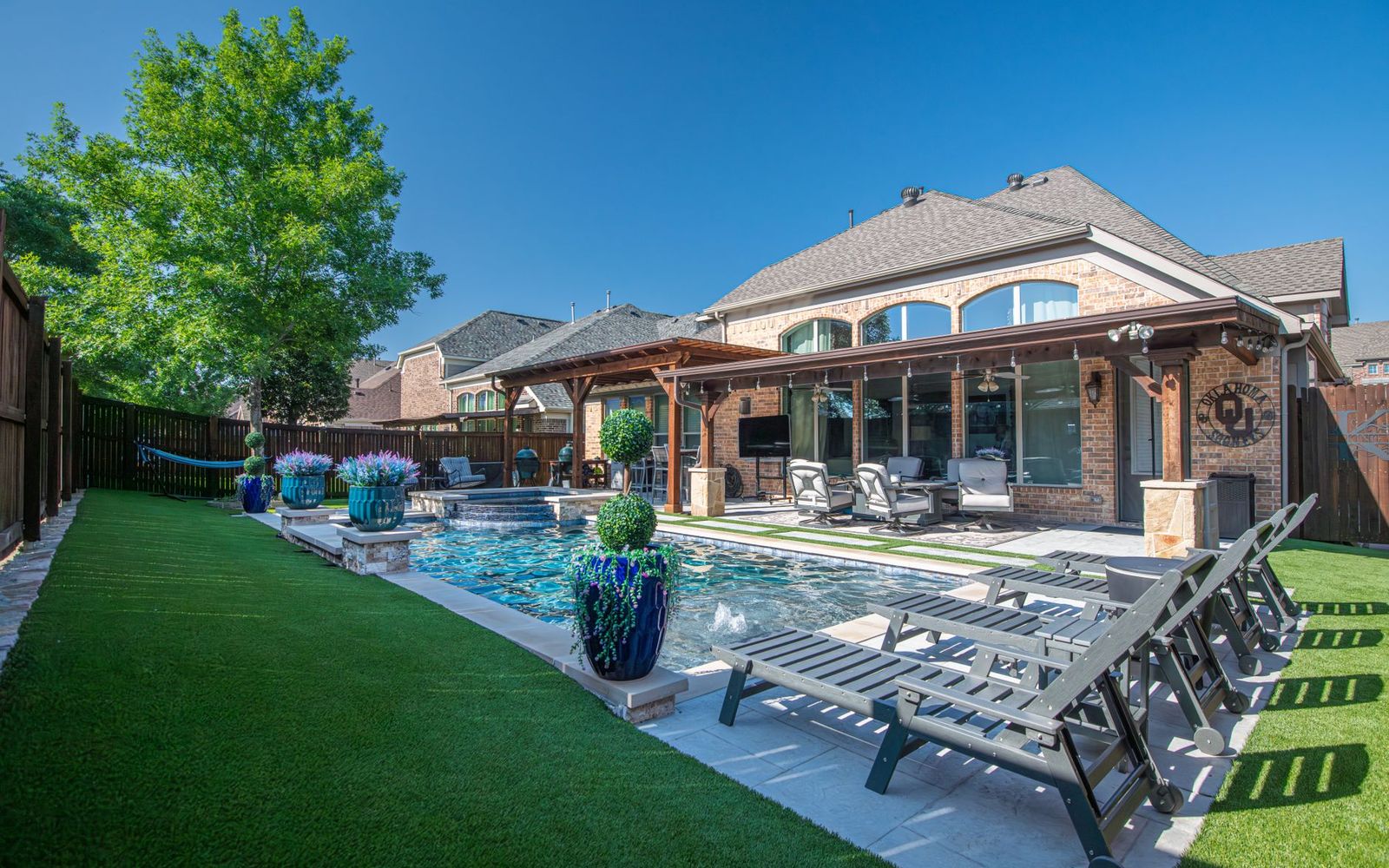
 Artificial turf · Des Moines, IA
We install synthetic grass for homes and businesses in Des Moines, West Des Moines, Ankeny, and Urbandale.
Get my free quoteDes Moines sits on heavy clay soil left behind by glaciers thousands of years ago. That clay holds water when it rains and turns rock-hard when it dries out, which makes growing a decent lawn harder than it should be. Add in our 36 inches of annual rainfall that mostly comes in spring and summer storms, plus winters that dump over 30 inches of snow, and you end up spending half the year fighting mud or dead spots.
Artificial turf solves the clay soil problem and gives you a yard that looks good all year without the weekly mowing, watering, or patching bare spots. It drains well even during heavy June rains, doesn't care about our temperature swings from below zero in January to the upper 80s in July, and saves you time every weekend from spring through fall.
We work throughout Polk County and nearby communities, installing synthetic grass in backyards, front yards, dog runs, play areas, and commercial properties. The turf we install is designed for Iowa weather and holds up through everything from summer thunderstorms to winter freeze-thaw cycles.
We remove your existing grass, grade the area properly for drainage, and install synthetic turf that works with Des Moines clay soil conditions. You get a yard that stays green without fighting mud or bare patches.
Curb appeal without the weekly maintenance or watering bills. We install turf that looks natural and handles foot traffic from the sidewalk to your front door year-round.
Synthetic grass designed for pets drains quickly after rain and doesn't turn into a mud pit when your dog runs around. We install proper base layers that handle heavy use and make cleanup easier.
Soft, cushioned turf for backyard play areas that stays cleaner than dirt or mulch. It provides a safer surface for kids and doesn't get tracked into the house after they play outside.
We install artificial grass for businesses, office buildings, and apartment complexes across the metro. Low maintenance landscaping that looks professional without the weekly mowing crews.
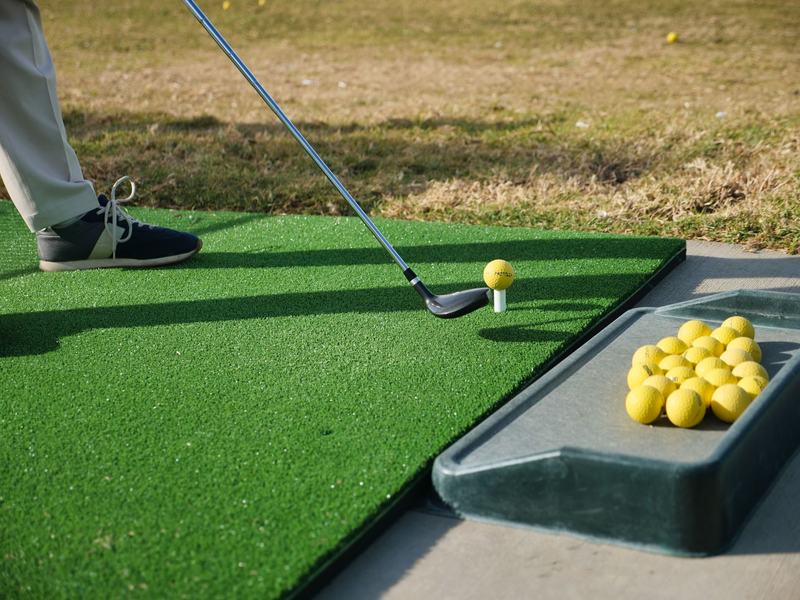
Custom backyard putting greens with turf that mimics real golf course conditions. Practice your short game at home without worrying about keeping real grass alive through Iowa winters.
The clay soil here needs proper drainage and base preparation or your turf will puddle and settle unevenly. We install the right base materials and grade everything correctly so water drains away instead of pooling on top.
We use turf products that handle temperature swings from winter cold to summer heat without fading or breaking down. The materials we install are tested for freeze-thaw cycles and UV exposure.
Most turf problems come from poor base work, not the grass itself. We excavate properly, compact the base in layers, and make sure water flows where it should before any turf goes down.
We work throughout the Des Moines metro and know the soil conditions in different neighborhoods. We have handled projects from Beaverdale to West Des Moines and understand what works here.
Des Moines sits on glacial till with 25 to 40 percent clay content, which is why so many yards have drainage problems and hard-packed soil. Natural grass struggles in this clay, especially during wet springs when the soil stays saturated for weeks. The heavy rains we saw in June 2008, when the city got over ten inches in two weeks and downtown flooded, show how quickly water builds up here. Artificial turf with a proper rock base drains much faster than clay soil and eliminates the mud problem.
Our humid continental climate means cold winters with temperatures often below zero, hot humid summers in the 80s, and about 108 days of precipitation spread through the year. Most homes in neighborhoods like Beaverdale, Highland Park, and Waterbury were built between the 1920s and 1940s, and many still have the original grading that doesn't move water away from foundations. Modern turf installation includes proper slope and drainage so water flows away from your house. You should check with the City of Des Moines about permits for major landscaping work, though most residential turf projects do not require one.
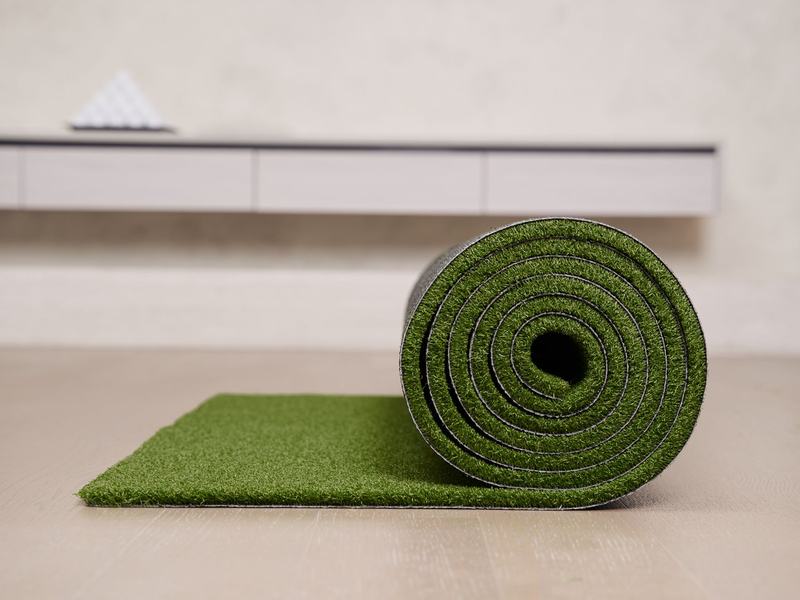
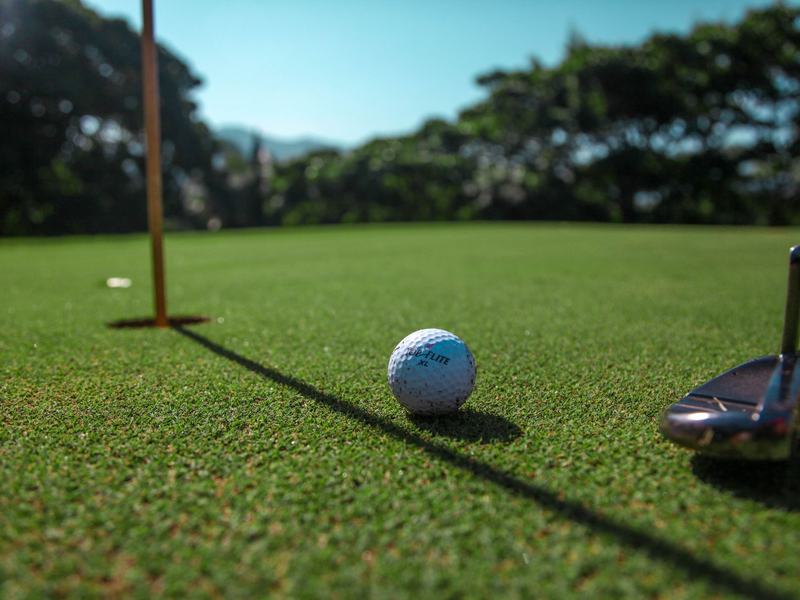
Most residential artificial turf installations in the Des Moines metro typically run between $12 and $20 per square foot installed. A standard backyard of 500 square feet would typically cost between $6,000 and $10,000, while larger areas of 1,000 square feet typically range from $12,000 to $20,000. The price depends on the quality of turf you choose, how much site prep and excavation is needed for your clay soil, drainage requirements, and whether we need to work around existing landscaping or hardscaping. Properties with poor drainage or significant slope changes cost more because they need extra base work. Pet turf and putting greens use specialized materials that affect the final price.
Based around Des Moines, IA, we also take jobs in these nearby towns. Put your town on the form and we will tell you right away if we can help.
Yes, when installed correctly with a proper base. We use crushed rock that drains much faster than the clay soil common throughout the metro. Even during heavy June rains when natural lawns turn to mud, synthetic turf drains water away within minutes.
Quality turf handles our freeze-thaw cycles without problems. The materials we install are UV-stabilized and temperature-tested for climates that swing from below zero in January to the upper 80s in summer. Snow and ice melt right off and the turf looks the same in spring.
Most residential turf lasts 15 to 20 years with normal use and minimal maintenance. The main factors are UV exposure from summer sun and how much foot traffic the area gets. Pet areas may wear faster in high-use spots.
Not directly. The clay needs to be excavated and replaced with a draining base material like crushed rock. If you just lay turf on top of clay, water will pool underneath and cause settling problems within the first year.
Most residential turf installations do not require a permit from the city. If your project involves major grading changes, retaining walls, or drainage system modifications, you should check with the city. We can advise you based on your specific situation.
Turf gets warmer than natural grass on sunny days in July and August when temperatures reach the mid-80s. Lighter colored turf stays cooler than dark green varieties. You can cool it down quickly with a hose, or install it in areas that get afternoon shade.
Tell us what you need and where. We usually reply within one business day. A photo helps us give you a faster, more accurate quote.
No obligation and no pressure.
 DES MOINES